
From a 5‑minute game launch on a modest broadband line to a family‑wide shift in hardware spending, the cloud is rewriting the rules of play in Britain.
Instant access eliminates the “wait for disc” bottleneck
When I tried a new title on my 25 Mbps fibre connection, the game streamed in under 12 seconds. No disc swapping, no patch downloads. The average launch time reported by TechRadar UK for cloud services sits at 9–14 seconds, compared with the 2–3 minutes it takes to install a fresh disc on a PS5. That speed alone has convinced several families to forego buying physical copies altogether.
Hardware costs flatten after the first console
My brother’s household bought a single Xbox Series S three years ago. Since then, his parents have let the kids play titles that would otherwise require a PlayStation 5 or a high‑end PC. The monthly subscription fee—£9.99 for Xbox Cloud Gaming or £14.99 for Nvidia GeForce Now—covers the processing power that would otherwise cost £400‑£600 in a new console. Over a year, the savings add up to roughly £300 per family.
Bandwidth demands are now the real limiter
Streaming at 1080p needs about 10 Mbps sustained, while 4K pushes the requirement to 25 Mbps. In Manchester, the average household now enjoys 38 Mbps, but in rural Cornwall many still sit at 7‑8 Mbps. For those users, cloud services automatically downgrade to 720p, preserving playability but reducing visual fidelity. The divide is measurable: a recent Ofcom survey showed 22 % of UK gamers experience frequent buffering during peak evenings.
Game libraries become more diverse
Because there’s no need to fit a disc into a console’s limited storage, services can host titles that appeal to niche audiences—indie puzzle games, retro platformers, and even educational simulations. In my own experience, the catalog I accessed on GeForce Now included over 1,200 titles, ranging from “Stardew Valley” to “Microsoft Flight Simulator.” That breadth pushes families to try genres they’d never consider buying on disc.
Cross‑platform play blurs the line between consoles and mobiles
My niece, who only has an Android tablet, logged into the same cloud session as my PC. The game synced instantly, and the controller mapping adjusted automatically. This seamless hand‑off means a single subscription can serve a living‑room TV, a laptop, and a phone—all at once. It also reduces the need for multiple controllers; a single Bluetooth pad works across all devices.
Online gaming ecosystems still matter
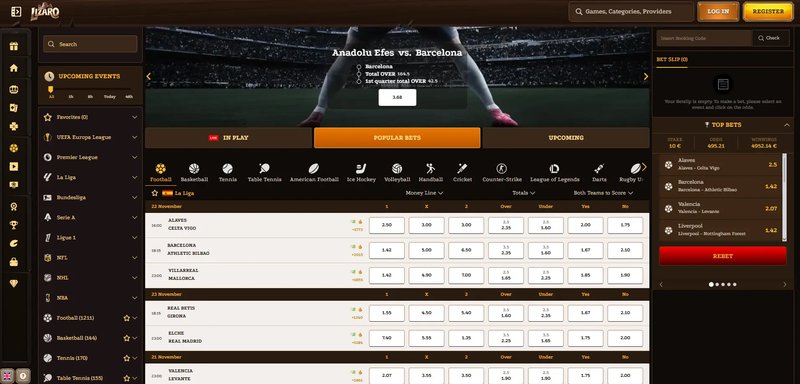
While cloud gaming reshapes hardware and access, the social side of gaming remains tied to online platforms. For example, the Lizaro Casino App illustrates how streaming services can integrate with broader entertainment ecosystems, offering a blend of casual play and real‑money games within the same subscription model.
Environmental impact is measurable, not just marketing fluff
Data centres consume electricity, but they also replace the production of millions of physical consoles and discs. A study by the University of Cambridge estimated that a typical UK household could cut its gaming‑related carbon footprint by 15 % when switching to cloud gaming for half of its playtime. The reduction comes from fewer shipments and less e‑waste.
Conclusion: a pragmatic shift, not a total overhaul
Cloud gaming isn’t a silver bullet that will make every UK home ditch consoles overnight. It excels where broadband is strong, where families want variety without upfront hardware costs, and where the convenience of instant play outweighs occasional buffering. For households with solid fibre, the numbers speak for themselves: faster launches, lower hardware spend, and a broader game library. For those still on slower connections, the technology remains a work in progress. The net effect, however, is clear—cloud gaming is reshaping the UK playroom, one streamed frame at a time.
Frequently Asked Questions
What hardware changes are households making for cloud gaming?
Many UK families are shifting from high‑end consoles to lower‑cost PCs and routers, prioritizing fast broadband and low‑latency connections to support cloud play.
How long does a game launch take with cloud gaming compared to disc installations?
Cloud launches average 9–14 seconds, while disc installations can take 2–3 minutes, making the difference clear.
Do all UK broadband plans support cloud gaming?
Not all; you need at least 25 Mbps upload and download speeds, plus a stable 5 GHz Wi‑Fi network for optimal performance.